Portugal's June 3 General Strike: What You Need to Know
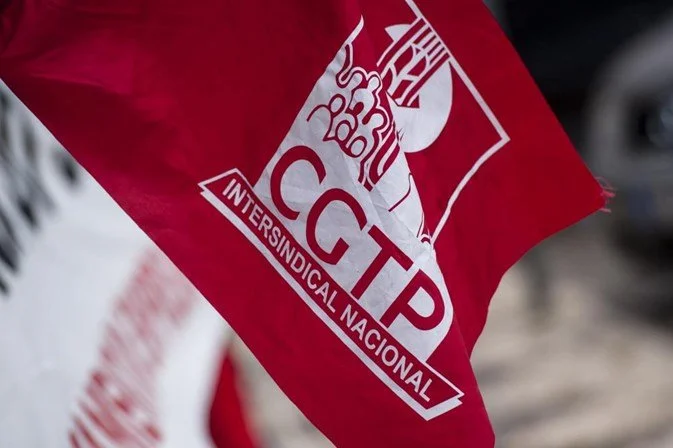
On June 3, 2026, Portugal faces its second general strike in six months. Called by the CGTP-IN (the country's largest trade union confederation), it targets the government's proposed labor reform package, which unions describe as a sweeping rollback of worker protections.
What's being struck against
The government's "pacote laboral" proposes changes including the reintroduction of individual time banks, deregulation of working hours (with weeks potentially stretching to 50 hours as standard), expanded grounds for precarious contracts, easier dismissals without just cause, reduced parental leave protections, and significant restrictions on collective bargaining, union activity, and the right to strike itself. Unions frame it as the most aggressive rewriting of Portuguese labor law in a generation.
Who's in
The strike has drawn broad sectoral adhesion. Transport is heavily affected: metro systems in Lisbon and Porto, Carris, CP trains, Fertagus, Transtejo/Soflusa, and STCP have all been mobilized through FECTRANS. Aviation is expected to take a hit too, with the cabin crew union SNPVAC and airport workers' union SITAVA joining, potentially disrupting around 500 flights across TAP, SATA, Ryanair, and easyJet.
Healthcare workers are in: the FNAM (doctors' federation) confirmed participation across public, private, and social sectors, and the nurses' union SEP has called a full 24-hour stoppage. Teachers joined following a separate protest on May 16 against career statute revisions. Municipal workers (STAL), architecture workers (Sintarq), and journalists (SJ) have also confirmed.
Who's out
The UGT, Portugal's second-largest union confederation, is sitting this one out. Secretary-general Mário Mourão signaled on May 7 that the timing wasn't right, suggesting action closer to the parliamentary vote would be more strategic.
Courts: minimum services confirmed
On May 21, the DGAJ (Direção-Geral da Administração da Justiça) published Ofício-Circular n.º 09/2026, formally establishing minimum services and the means to ensure them across courts for June 3. If you have pending court dates or filings, check directly with your tribunal.
The bigger picture
This is the second general strike since December 11, 2025, when both the UGT and CGTP walked out together. The fact that UGT isn't joining this time signals a tactical split in the union movement, but the breadth of sectoral participation suggests the pressure on the government's reform agenda remains significant.